
The success of a modern limestone quarry depends heavily on the reliability, efficiency, and engineering quality of its crushing equipment. Choosing the right limestone quarry crushing equipment company is therefore a strategic decision that directly influences production capacity, operating costs, product quality, and long-term plant profitability. A premier manufacturer must offer more than individual crushers; it should deliver integrated crushing solutions engineered around limestone characteristics, production requirements, and demanding industrial operating conditions.
Understanding Limestone and Its Crushing Requirements
Limestone typically has a medium compressive strength ranging from 80–150 MPa, making it considerably easier to process than highly abrasive materials such as granite or basalt. Its relatively low silica content also reduces equipment wear and abrasive damage, creating opportunities for high-reduction-ratio crushing configurations and energy-efficient production circuits.
These material properties allow experienced manufacturers to optimize crusher selection, chamber geometry, rotor design, and screening arrangements. Rather than relying on oversized equipment or excessive crushing stages, a properly engineered limestone processing plant can achieve the required particle sizes through carefully coordinated primary and secondary crushing.
The intended end product is equally important. Construction aggregate production requires consistent particle grading, excellent cubicity, and controlled fines content. Cement manufacturing, by contrast, prioritizes stable chemical composition, appropriate feed sizing, and consistent material preparation for subsequent raw-meal grinding. A qualified equipment manufacturer should understand these differences and configure each production line accordingly.
Integrated Crushing Equipment for Complete Quarry Solutions
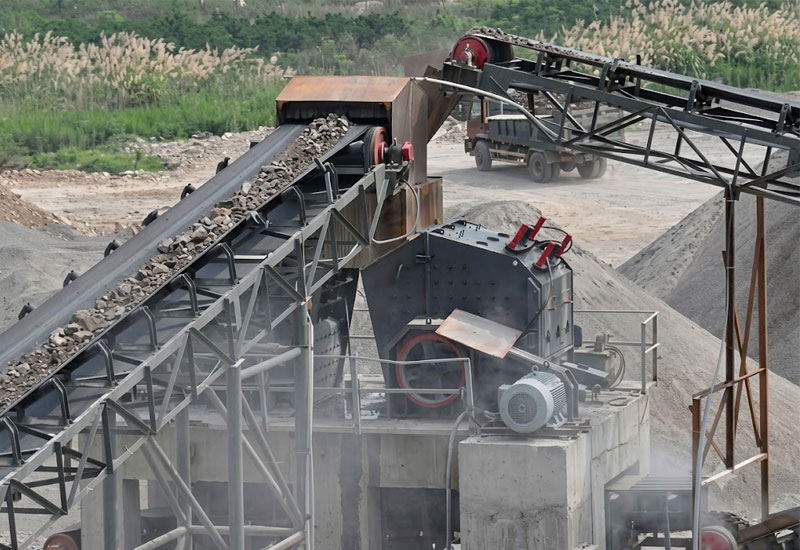
A leading limestone quarry crushing equipment company should provide turnkey original equipment manufacturer (OEM) configurations that combine feeding, crushing, screening, conveying, and automated control into a coordinated production system.
1. Vibrating Grizzly Feeders for Efficient Material Handling
The vibrating grizzly feeder is the first critical component of a reliable quarry crushing circuit. Its primary function is to regulate material flow into the primary crusher while separating smaller particles before crushing.
An integrated grizzly section enables clay, soil, and other unwanted fines to be removed through pre-scalping. This reduces unnecessary crusher loading, minimizes material buildup, and improves overall plant efficiency. Heavy-duty feeder construction, adjustable vibration parameters, and wear-resistant components are essential benchmarks for demanding quarry applications.
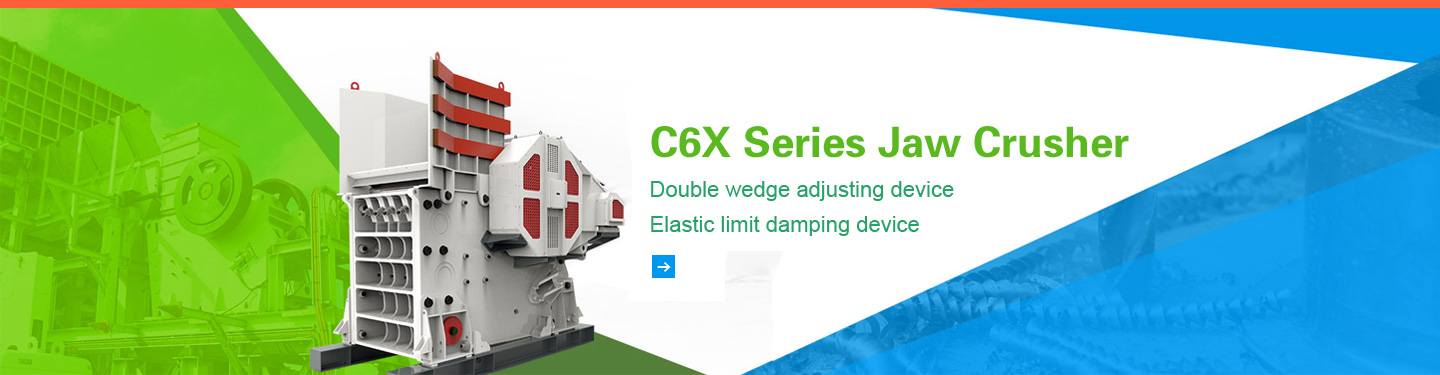
2. C6X Series Primary Jaw Crushers
Primary crushing establishes the foundation for downstream performance. C6X Series jaw crushers provide a suitable solution for processing large limestone feed material into manageable sizes for secondary crushing.
Important engineering considerations include optimized crushing chamber geometry, high-strength structural components, reliable lubrication systems, and convenient maintenance access. A well-designed primary jaw crusher should deliver stable throughput, consistent discharge sizing, and dependable operation under continuous production conditions.
3. CI5X Series Secondary Impact Crushers
For limestone aggregate production, secondary impact crushing offers significant advantages in particle shaping and reduction efficiency. CI5X Series impact crushers are designed to provide high crushing performance while producing more uniform, cubic-shaped particles.
Particle cubicity is particularly important for road construction, concrete manufacturing, and asphalt applications, where aggregate shape directly affects finished material performance. Adjustable operating parameters and optimized rotor configurations also help operators balance production capacity, product gradation, and wear-part consumption.
Because limestone is relatively low in abrasiveness, impact crushing can be especially attractive when equipment selection and operating conditions are properly matched to the material.
4. S5X Series Multi-Deck Vibrating Screens
Screening accuracy determines whether the final product meets commercial specifications. S5X Series vibrating screens provide multi-deck classification for separating limestone into different aggregate fractions.
A properly configured screening system supports simultaneous production of several marketable sizes, improves material circulation, and reduces unnecessary recirculation. Screen media selection, deck arrangement, vibration characteristics, and screening surface area should all reflect the required capacity and product specifications.
Intelligent Automation and Environmental Engineering
Modern quarry equipment manufacturers must demonstrate capabilities beyond mechanical performance. Automated PLC plant control is an essential benchmark for integrated crushing installations.
A centralized control system coordinates feeders, crushers, conveyors, and screens while monitoring operating conditions, equipment interlocks, and production parameters. This improves operational consistency, simplifies troubleshooting, and allows operators to identify potential problems before they cause extended downtime.
Environmental engineering is equally important. Effective dust-suppression systems should incorporate strategically positioned spray nozzles, enclosed transfer points, dust collection where necessary, and appropriately designed material handling arrangements. These measures help control airborne particulate emissions and improve workplace conditions.
Lifecycle Support and Long-Term Equipment Reliability
A premier OEM should evaluate equipment performance throughout its entire operating lifecycle rather than focusing exclusively on initial purchase costs.
Essential support capabilities include readily available replacement components, crusher wear-part inventories, technical documentation, installation supervision, operator training, preventive maintenance recommendations, and responsive troubleshooting services.
Spare-parts planning is particularly important for high-wear components such as jaw plates, impact blow bars, liners, screen media, and conveyor components. Manufacturers with established supply networks can help quarry operators minimize unexpected interruptions and maintain predictable maintenance schedules.
Conclusion
Selecting a limestone quarry crushing equipment company requires evaluating its engineering expertise, equipment integration capabilities, automation technology, environmental solutions, and after-sales support.
A turnkey configuration combining vibrating grizzly feeders, C6X Series jaw crushers, CI5X Series impact crushers, and S5X Series vibrating screens provides a flexible foundation for producing construction aggregates or preparing limestone for cement manufacturing. Supported by intelligent PLC controls, effective dust management, and comprehensive lifecycle spare-parts services, such an integrated solution can deliver efficient production, consistent product quality, and sustainable long-term quarry performance.