
Limestone is the principal raw material in most cement production processes, making reliable crushing one of the most important stages in a modern cement plant. Before limestone can enter the raw meal grinding system, large quarry-run material must be reduced to a controlled and consistent particle size. Heavy-duty crushing systems therefore need to do more than simply break rock: they must accommodate variable feed conditions, maintain stable material flow, and support the continuous operation required for 24/7 clinker production.
Engineering a Limestone Crushing System
Modern cement plants commonly receive limestone directly from quarry operations in large, irregular pieces. Depending on the deposit and blasting method, the feed can contain oversized rocks, moisture, and varying amounts of clay or other impurities. A properly engineered crushing circuit begins by evaluating these characteristics together with the required plant capacity, maximum feed size, target product size, and downstream raw meal grinding requirements.
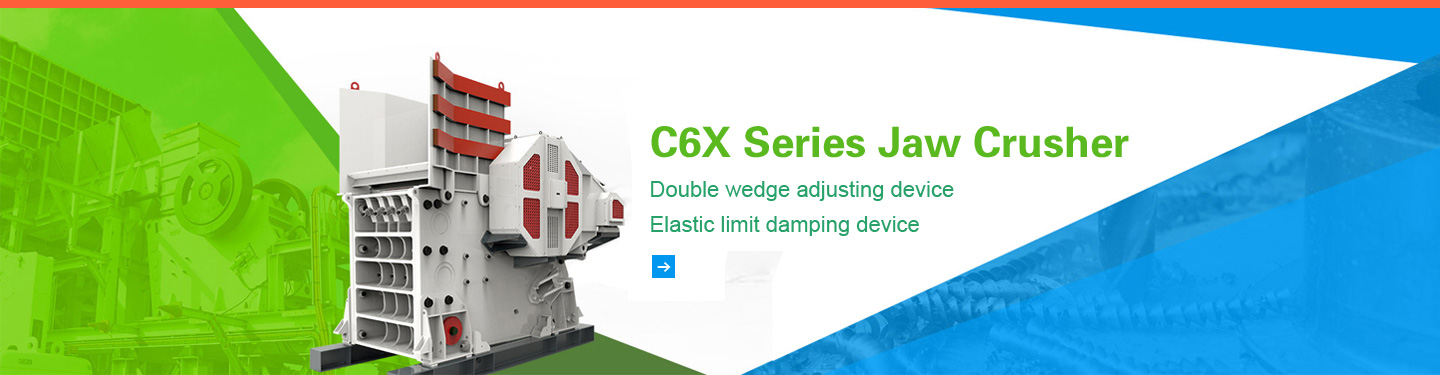
For demanding applications, a C6X Series jaw crusher can serve as a robust primary crushing solution. Its heavy-duty construction and high crushing force make it suitable for processing large limestone feed sizes. As the first stage of size reduction, the jaw crusher reduces quarry rock into a more manageable product for secondary crushing, conveying, stockpiling, or direct grinding preparation.
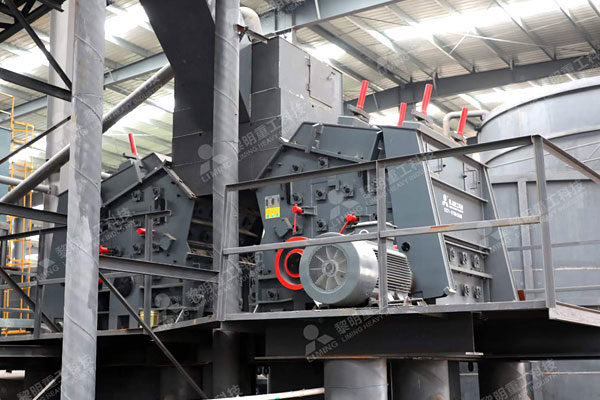
Where the limestone characteristics and plant layout favor impact crushing, a CI5X Series impact crusher can provide an alternative heavy-duty solution. Impact crushing is particularly useful when a cement producer requires efficient size reduction together with a relatively uniform product. The crusher configuration can be selected according to feed size, required capacity, material characteristics, and the desired downstream particle distribution.
Managing Moisture and Clay Content
Limestone quality can vary significantly within the same quarry. Some deposits contain higher moisture levels, while others include clay-rich zones that can affect crusher performance and material handling. Excessive moisture may promote material adhesion, while clay can increase the risk of buildup in transfer points, screens, and crushers.
Consequently, limestone crushing systems should be designed around actual feed conditions rather than nominal rock specifications alone. Proper feeder selection, controlled feed rates, suitable discharge arrangements, and accessible maintenance areas can help maintain stable operation when material properties fluctuate.
In applications where moisture and clay are significant concerns, plant designers may also integrate screening, scalping, dust-control, and material-handling equipment around the crusher. The objective is to prevent problematic material from disrupting the continuous flow of limestone toward the raw meal preparation stage.
Uniform Particle Size for Raw Meal Grinding
Particle-size consistency is a critical consideration because crushed limestone ultimately becomes part of the raw mix used to produce clinker. A well-designed crushing circuit helps reduce excessive oversize while avoiding unnecessary production of fines.
The C6X Series can be configured as a primary crusher to establish a controlled feed for subsequent processing stages. A CI5X Series impact crusher can then be used where impact-based reduction and improved particle shaping are advantageous. Depending on the plant configuration, screening and closed-circuit arrangements can further control the final limestone size before it reaches storage or the raw meal grinding system.
A more consistent feed allows grinding mills to operate under more predictable conditions. This can contribute to stable mill throughput, controlled energy consumption, and more consistent raw meal preparation.
Optimizing Material Flow for 24/7 Production
Cement plants operate on a continuous-production model, so crusher availability directly affects overall process efficiency. A limestone crushing system should therefore be architected as an integrated material-flow network rather than as an isolated machine.
Feeders should deliver a controlled and continuous stream to the crusher, while conveyors must be sized to handle the required tonnage without creating bottlenecks. Surge bins and stockpiles can provide buffering capacity between crushing and grinding stages, allowing downstream equipment to continue operating during short interruptions in quarry supply or crusher maintenance.
Automation is another important element. Monitoring crusher load, motor power, feed rate, discharge conditions, and material levels enables operators to maintain stable operating parameters. Automated controls can also coordinate feeders and conveyors so that the crusher operates close to its efficient working range without becoming overloaded.
Building Reliability into Cement Production
For modern cement plants, limestone crushing is fundamentally a reliability and process-control challenge. Selecting a C6X Series jaw crusher or CI5X Series heavy-duty impact crusher should be based on the limestone’s maximum feed size, hardness, moisture, clay content, required capacity, and downstream particle-size specifications.
When properly integrated with feeders, conveyors, screening equipment, storage, and automated controls, these crushers form the foundation of a dependable limestone preparation system. The result is a controlled material stream for raw meal grinding, improved process stability, and the continuous, high-throughput operation required to support efficient 24/7 clinker production.