
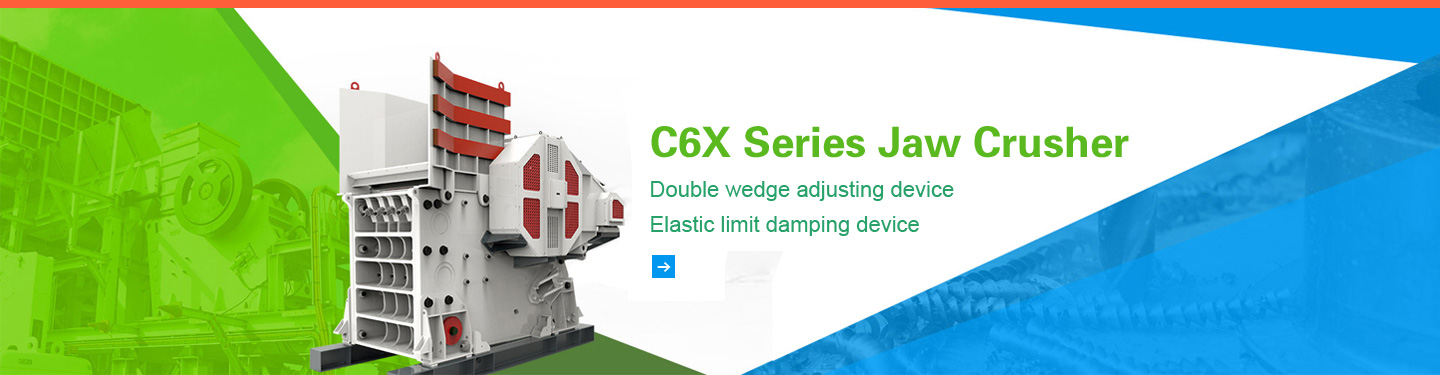
Portable crushers are versatile machines designed to process materials on-site, eliminating the need for transporting raw materials to a fixed crushing plant. These crushers are widely used in construction, mining, and demolition projects due to their mobility and efficiency.
Key Components of a Portable Crusher
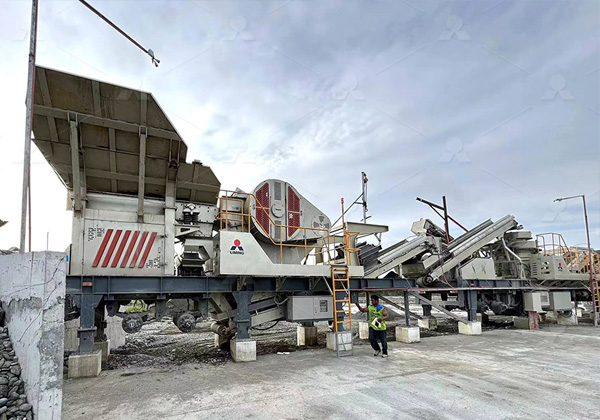
Portable crushers consist of several essential components:
- Feeder – Delivers raw materials into the crusher at a controlled rate.
- Crusher Unit – The primary crushing mechanism (e.g., jaw crusher, impact crusher, cone crusher) that reduces material size.
- Conveyor System – Transports crushed materials to the next stage or stockpile.
- Screen (Optional) – Separates materials by size for further processing or immediate use.
- Power Source – Typically a diesel engine or electric motor that drives the entire system.
- Mobility Features – Wheels or tracks allow easy relocation between job sites.
Operation of a Portable Crusher
- Material Feeding – Raw materials (e.g., rocks, concrete, asphalt) are loaded into the feeder via an excavator or front-end loader.
- Primary Crushing – The material enters the crusher, where jaws, hammers, or cones apply force to break it down into smaller pieces.
- Screening (If Equipped) – Crushed material passes through screens to separate fine and coarse aggregate.
- Discharge & Stockpiling – Processed material exits the crusher via conveyor belts, either stored for later use or loaded onto trucks for transport.
- Relocation – Since portable crushers are mobile, they can be quickly moved to another site when needed.
Advantages of Portable Crushers
✔ Cost-Efficiency – Reduces hauling costs by processing materials on-site.
✔ Flexibility – Can be deployed in remote or temporary job sites.
✔ Environmental Benefits – Minimizes dust and noise compared to transport-heavy alternatives.
✔ Quick Setup – Some models can be operational within minutes.
Common Applications
- Road and infrastructure projects
- Quarrying and mining operations
- Demolition and recycling of construction waste
Portable crushers enhance efficiency in material processing by offering flexible, on-site solutions. Their operational success depends on proper maintenance, optimal feed control, and selecting the right crusher type for the material. Future trends include hybrid power systems and AI-assisted crushing adjustments for better performance.
Would you like details on specific types of portable crushers, such as jaw versus impact models?