
Rock crushing is a critical process in mining, construction, and aggregate production. It involves breaking down large rocks into smaller, manageable sizes suitable for further processing or direct use. Proper crushing configuration ensures maximum efficiency, lower operating costs, and consistent product quality. Crushing configurations are typically divided into primary and secondary stages, each with distinct roles and equipment.
1. Primary Crushing
Primary crushing is the first stage in the crushing process. Its main goal is to reduce large rocks from the mine or quarry to a size suitable for further processing.
Key Characteristics of Primary Crushing:
-
Handles large feed sizes.
-
Produces coarse, relatively uniform output.
-
Typically located close to the source of raw material.
Common Primary Crushers:
-
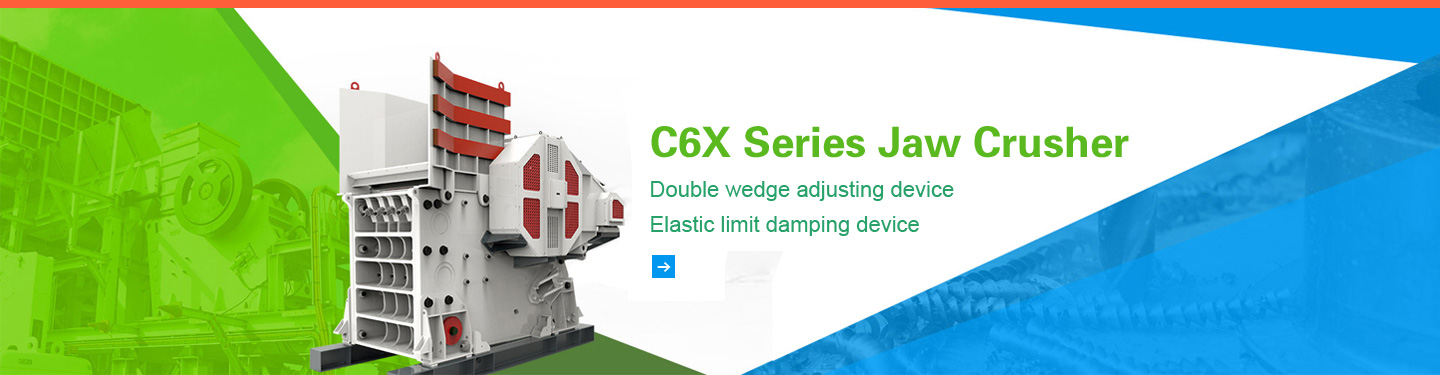
Jaw Crusher:
-
Works on the principle of compressive force.
-
Suitable for hard, abrasive rocks like granite, basalt, and iron ore.
-
Features a fixed and a moving jaw plate.
-
-
Gyratory Crusher:
-
Cone-shaped crushing chamber.
-
Continuous operation and high capacity.
-
Ideal for very large rocks in mining operations.
-
-
Impact Crusher (Primary Version):
-
Uses high-speed impact to break rocks.
-
Suitable for softer, less abrasive rocks.
-
Produces a more cubical product.
-
Primary Crushing Configuration:
-
Typically involves a single crusher or a combination of crushers handling the raw feed.
-
Feeders (grizzly or vibrating) are often used to regulate input and remove fines.
-
Stockpiles or conveyor belts are used to transport the crushed material to secondary crushing.
2. Secondary Crushing
Secondary crushing is the stage after primary crushing. It aims to further reduce the size of the material, improve product shape, and prepare it for tertiary crushing or final use.
Key Characteristics of Secondary Crushing:
-
Handles smaller feed sizes than primary crushers.
-
Produces more uniform, cubical material.
-
Improves efficiency in further crushing and screening operations.
Common Secondary Crushers:
-
Cone Crusher:
-
Similar principle to gyratory crushers but smaller.
-
Excellent for medium to hard materials.
-
Produces high-quality aggregate with good shape.
-
-
Secondary Impact Crusher:
-
Good for softer to medium-hard rock.
-
Produces cubical, well-graded material.
-
Often used in quarrying and recycling applications.
-
-
Roll Crusher (less common):
-
Smooth or toothed rolls crush material by compression.
-
Suitable for brittle materials.
-
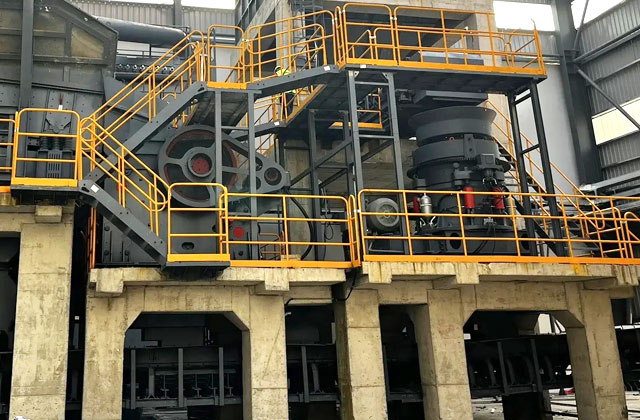
Secondary Crushing Configuration:
-
Often placed close to the primary crusher’s output.
-
Can be arranged in open or closed circuits:
-
Open Circuit: Material passes once through the crusher.
-
Closed Circuit: Material is screened and oversized material is recirculated for further reduction.
-
-
Screening equipment ensures the desired product size before storage or tertiary crushing.
3. Combined Crushing Configurations
Modern rock crushing often combines multiple stages:
-
Primary → Secondary → Tertiary: For maximum reduction and high-quality aggregate.
-
Parallel Configuration: Two crushers operate side by side for redundancy or capacity expansion.
-
Mobile Configurations: Portable crushers allow flexibility at mines or quarries.
Factors Influencing Configuration Choice:
-
Material hardness and abrasiveness.
-
Desired product size and shape.
-
Production capacity and operational cost.
-
Available space and mobility requirements.
Understanding primary and secondary crushing configurations is essential for optimizing production and reducing operational costs in mining and aggregate operations. By selecting the right crusher type, arrangement, and circuit design, operators can achieve consistent material quality, maximize throughput, and extend the life of their equipment.