
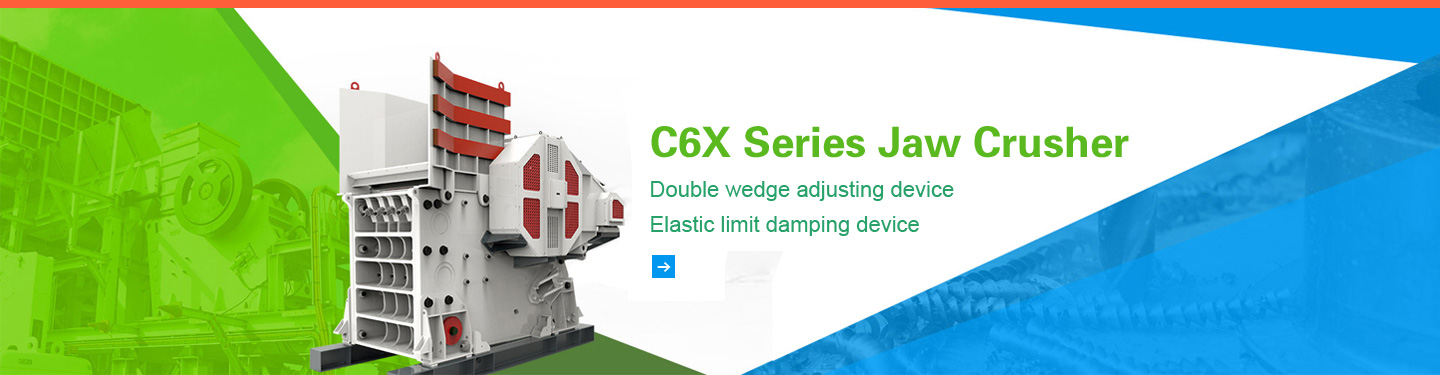
Mobile crusher mining systems have revolutionized the extraction and processing of minerals by offering flexibility, efficiency, and automation. These systems integrate various crushing and screening machines mounted on mobile platforms, making them highly adaptable to different mining environments. Below is a breakdown of their key working details:
1. Automation and Control
Modern mobile crushers utilize PLC (Programmable Logic Controller) technology combined with touchscreen interfaces, enabling operators to monitor and control the entire process efficiently. Key features include:
- Remote Monitoring: Sensors track temperature and vibration in critical components (e.g., crusher bearings) to prevent breakdowns.
- Automated Adjustments: Operators input production parameters, and the system auto-adjusts crushing speed, feed rate, and output size, reducing human intervention.
- Centralized Control: Integration with feeders, conveyors, and screens ensures smooth, synchronized operation.
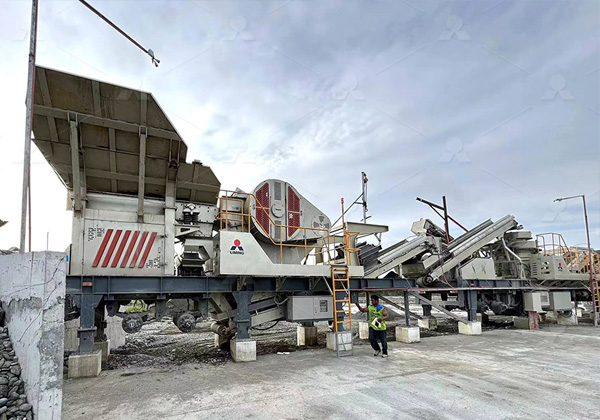
2. Enhanced Crushing Capability
Mobile crushers incorporate multiple crushing stages for optimal efficiency:
- Jaw Crushers – Primary crushing of large rocks into manageable sizes.
- Impact Crushers – Secondary crushing for softer materials (e.g., limestone).
- Cone Crushers – Tertiary crushing for producing finely processed aggregates.
This multi-stage setup ensures high throughput and consistent particle size reduction.
3. Mobility and Flexibility
Unlike stationary crushers, mobile units are mounted on tracks or wheels, offering:
- Rapid Deployment: Units can be relocated quickly between mining sites or construction zones.
- Low Setup Time: Pre-assembled modules reduce installation delays, crucial for short-term projects.
- Adaptability: Suitable for varied terrain, including remote or temporary mining locations.
The mobile crusher mining system enhances productivity through automation, modular design, and multi-stage crushing. Its flexibility allows mining operations to adapt quickly to changing demands while maintaining cost-efficiency and sustainability. As technology advances, further integration with AI-driven analytics and renewable energy sources will likely expand its capabilities even more.