
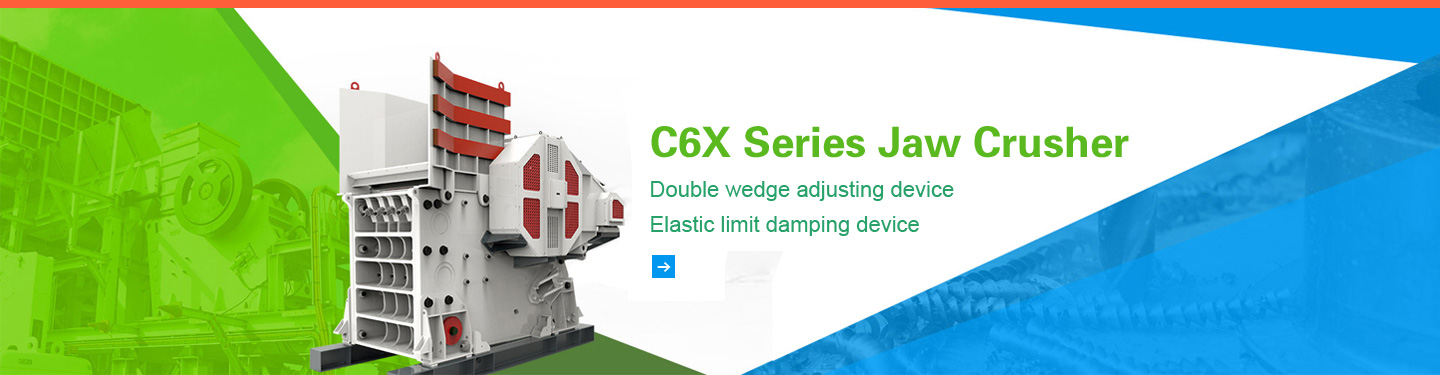
In modern mining, quarrying, and construction industries, efficient material processing is essential for maintaining productivity and reducing operating costs. One machine that stands out for its speed and efficiency is the hammer crusher. Designed to break down materials rapidly through high-speed impact, hammer crushers are widely used in aggregate production, cement plants, coal preparation, and mineral processing.
Working Principle of a Hammer Crusher
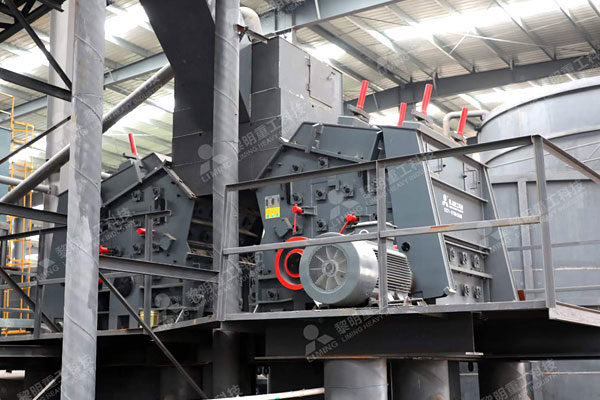
A hammer crusher operates by using a series of rotating hammers mounted on a high-speed rotor. When raw materials enter the crushing chamber, the rotating hammers strike them with strong impact force. The materials are then shattered against breaker plates and grates, causing them to break into smaller pieces.
The process typically includes the following steps:
-
Feeding – Materials such as limestone, coal, gypsum, or shale are fed into the crusher through the inlet.
-
Impact Crushing – The rotor spins at high speed, and the hammers repeatedly strike the material.
-
Secondary Crushing – The fragments collide with breaker plates and other particles, further reducing their size.
-
Screening and Discharge – Materials that reach the required size pass through the grate openings and exit the crusher.
Because the crushing action relies on high-speed impact rather than slow compression, hammer crushers can process materials extremely quickly.
Why Hammer Crushers Work So Fast
Hammer crushers are known for their rapid processing capabilities for several reasons:
-
High rotor speed allows strong impact forces that break materials instantly.
-
Continuous crushing action ensures materials are struck multiple times in a short period.
-
Integrated crushing and screening reduces the need for additional processing stages.
-
Simple structure enables smooth operation with minimal resistance.
These features make hammer crushers particularly suitable for applications requiring high throughput and fast material reduction.
Materials Suitable for Hammer Crushing
Hammer crushers perform best with medium-hard and brittle materials. Common materials processed include:
-
Limestone
-
Coal
-
Gypsum
-
Shale
-
Chalk
-
Clay
-
Salt
-
Soft ores
These materials are commonly found in industries such as cement production, mining, building materials, and chemical processing.
Key Advantages
Hammer crushers offer several benefits that contribute to their popularity in material processing:
-
High crushing efficiency – Rapid impact crushing increases production capacity.
-
Simple structure – Easy installation, operation, and maintenance.
-
Uniform product size – Adjustable grate bars help control output size.
-
Lower investment cost – Suitable for small to medium-scale production lines.
-
Energy efficiency – Efficient crushing reduces overall power consumption.
Hammer crushers play a crucial role in modern material processing by providing fast, efficient, and reliable crushing. Their high-speed impact mechanism allows them to process materials quickly while maintaining consistent product size. As a result, hammer crushers remain an important piece of equipment in mining, quarrying, and industrial production lines around the world.