
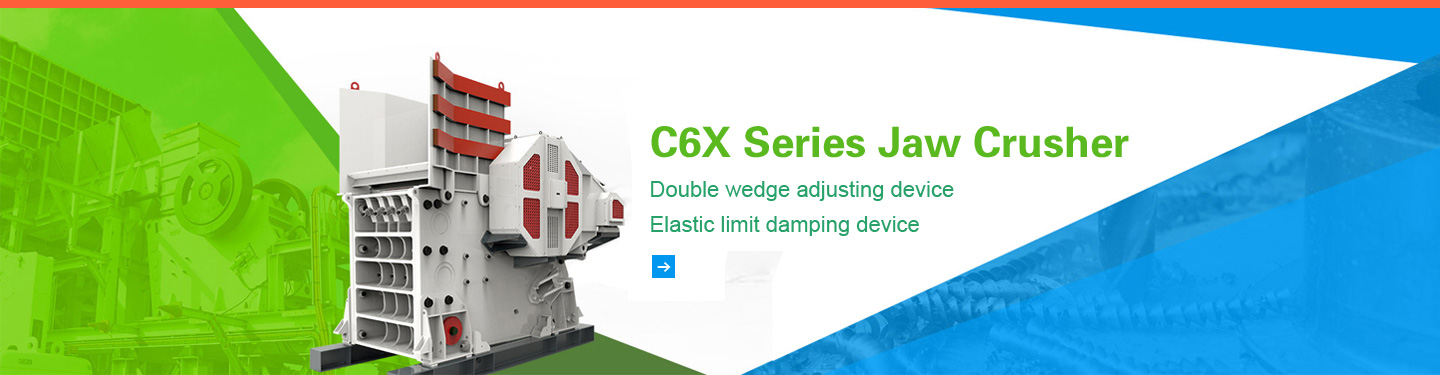
In the domain of high-purity mineral processing, feldspar requires a meticulously engineered approach to fragmentation. As a Solution Architect, I view a feldspar crushing plant not as a collection of isolated machines, but as a synchronized organism where “Operational Harmony” dictates the final profit margin. Achieving the gold standard in feldspar production requires the strategic integration of the TSW Series Vibrating Feeder, the PEW Series Jaw Crusher, and the HST/HPT Hydraulic Cone Crusher.
1. Stabilizing the Circuit: The Critical Role of TSW Vibrating Feeders
System stability begins at the intake. For feldspar operations, the TSW Series Vibrating Feeder (such as the TSW1139 or TSW1345) is the primary regulator. Its core function is to prevent surge loads that destabilize downstream units while performing vital pre-screening.
- Pre-screening and Impurity Removal: TSW feeders are equipped with heavy-duty grizzly bars. These bars effectively separate raw feldspar from sticky gangue and natural fines before they enter the primary crusher, reducing unnecessary wear and preventing “choking.”
- Flow Control: By utilizing variable frequency drives, the TSW feeder ensures a continuous, uniform flow. This “Operational Harmony” eliminates the peaks and troughs in material volume that lead to mechanical fatigue.
- Technical Parameter: For medium-large operations, the TSW1139 handles a Max Feed Size of 600mm, perfectly matching the intake requirements of primary reduction units.
2. Primary Reduction: Maintaining Mineral Integrity with PEW Jaw Crushers
Feldspar, often characterized by its cleavage and moderate hardness, requires a primary reduction stage that maximizes throughput without compromising mineral purity. The PEW Series Jaw Crusher (European Type) is the preferred choice for this role.
The PEW860, for instance, provides a Max Feed Size of 720mm and a capacity of up to 500 t/h. Its V-shaped crushing cavity and optimized stroke ensure high-ratio reduction. In a systematic “Flowchart Efficiency” model, the PEW crusher reduces the raw boulders into a manageable size for the secondary stage, ensuring the material remains free from excessive contamination often associated with less robust machinery.
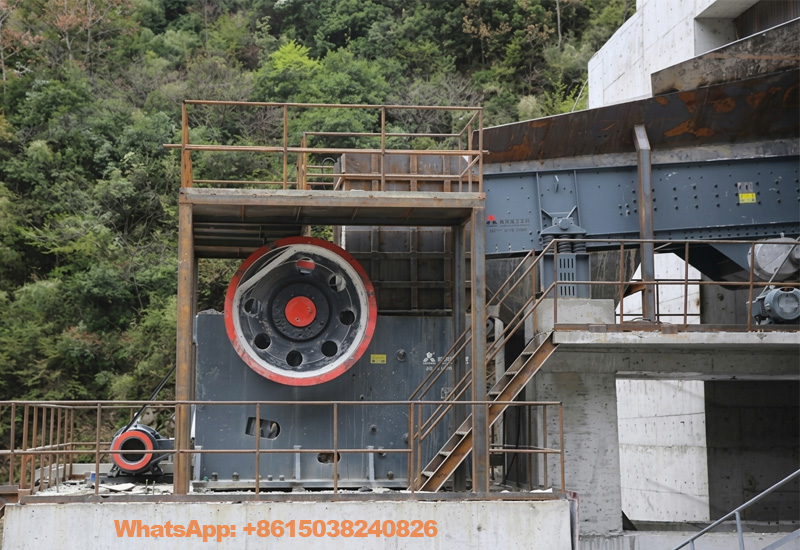
3. Secondary Precision: The HST/HPT Cone Crusher Gold Standard
For secondary crushing, the transition to HST or HPT Hydraulic Cone Crushers is non-negotiable for high-end feldspar production. While impact crushers might offer high reduction ratios, the cone crusher is superior for maintaining the cubic shape and high purity levels required by the glass and ceramics industries.
- HST Single-Cylinder Advantage: Provides ease of automation and rapid Closed Side Setting (CSS) adjustments, typically calibrated between 10mm and 40mm for secondary stages to balance load.
- HPT Multi-Cylinder Efficiency: The HPT300, with a Max Feed of 230mm, utilizes inter-particle crushing action. This not only improves the particle shape but also optimizes the crushing energy consumption.
4. Integrated Control: Synchronization for Energy and Liner Optimization
The pinnacle of “System Integration” is Integrated Control. By synchronizing the TSW feeder’s vibration frequency with the HPT cone crusher’s cavity level sensors, we achieve a “choke-fed” condition. This state is critical for:
- Liner Life Extension: Choke-feeding ensures material-on-material crushing, significantly reducing direct contact between the feldspar and the manganese liners.
- Energy Efficiency: Eliminating idle or under-loaded cycles reduces the kilowatt-hour per ton (kWh/t) ratio.
- Quality Balance: Maintaining a consistent CSS range ensures the finished product meets strict gradation curves without the risk of “oversize” recirculation bottlenecks.
Feldspar Crushing Circuit Technical Matrix
| Equipment Type | Model Example | Max Feed Size (mm) | Core Functional Advantage |
|---|---|---|---|
| Vibrating Feeder | TSW1139 | 600 | Pre-screening sticky gangue; surge prevention. |
| Primary Jaw Crusher | PEW860 | 720 | High-ratio reduction; V-shaped cavity efficiency. |
| Secondary Cone Crusher | HPT300 | 230 | Inter-particle crushing; precise CSS control. |
Frequently Asked Questions (FAQ)
- Why use a TSW feeder instead of a standard GZD feeder for feldspar?
- TSW feeders feature more robust grizzly bars and higher vibration intensity, which are essential for separating the sticky impurities often found with raw feldspar minerals.
- How does integrated control improve the life of crusher liners?
- By syncing the feeder with the crusher’s cavity level, we maintain a constant head of material. This ensures material-on-material crushing, which shields the liners from excessive wear and impact.
- Is a cone crusher better than an impact crusher for feldspar?
- Yes. For feldspar, a cone crusher like the HPT series is preferred because it handles the mineral’s abrasiveness better and produces a superior particle shape with fewer fines.