
Crushing equipment plays a foundational role in the beneficiation process of mineral resources. Before valuable minerals can be separated from gangue through physical or chemical methods, raw ore must be reduced to an appropriate size. Efficient crushing not only determines downstream processing performance but also has a direct impact on energy consumption, operating costs, and overall plant productivity.
Role of Crushing in Beneficiation
The beneficiation process aims to improve the economic value of ore by removing impurities and increasing the concentration of useful minerals. Crushing is the first step in this chain and serves several key purposes:
-
Liberation of minerals by breaking ore along grain boundaries
-
Preparation for grinding, ensuring feed size is suitable for mills
-
Reduction of material volume, enabling easier handling and transport
-
Improved efficiency of separation processes such as flotation, magnetic separation, and gravity separation
A well-designed crushing stage ensures stable feed size and uniform particle distribution for downstream operations.
Stages of Crushing in Beneficiation Plants
Crushing is typically carried out in multiple stages, depending on ore hardness, feed size, and required final product size.
1. Primary Crushing
Primary crushing handles run-of-mine (ROM) ore directly from the mine. The goal is to reduce large blocks of ore to a manageable size for secondary crushing or conveying.
-
Characteristics: large feed size, high capacity, robust structure
-
Typical output size: 100–300 mm
2. Secondary Crushing
Secondary crushing further reduces material size and begins shaping the ore particles.
-
Characteristics: higher reduction ratio, better size control
-
Typical output size: 20–60 mm
3. Tertiary and Fine Crushing
For some beneficiation processes, especially those requiring fine liberation, tertiary or even quaternary crushing is used before grinding.
-
Characteristics: precise size control, uniform particle shape
-
Typical output size: <20 mm
Common Crushing Equipment Used in Beneficiation
Different types of crushers are selected based on ore properties, capacity requirements, and process design.
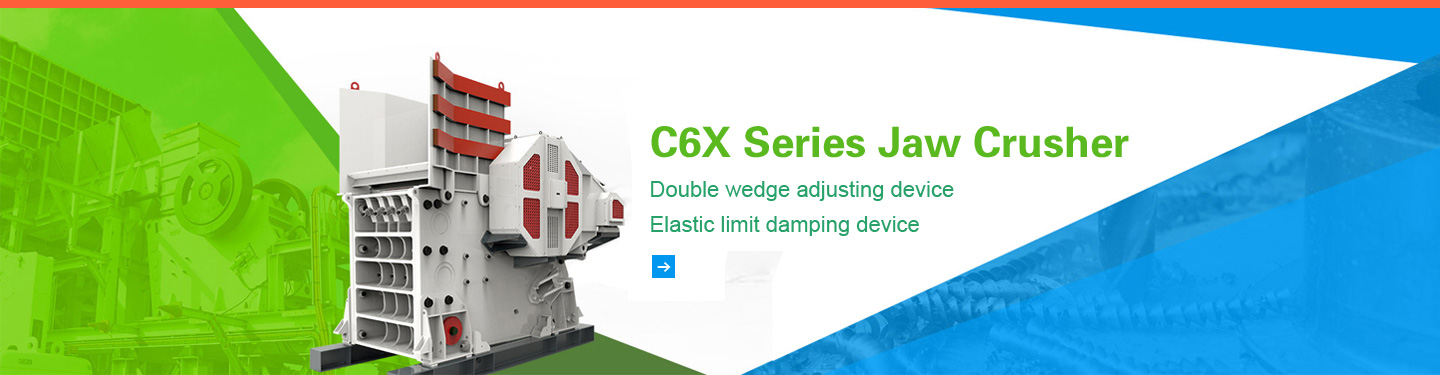
1. Jaw Crusher
Jaw crusher are widely used in primary crushing stages.
Advantages:
-
Simple structure and reliable operation
-
Suitable for hard and abrasive ores
-
Easy maintenance
Applications: iron ore, gold ore, copper ore, bauxite, granite
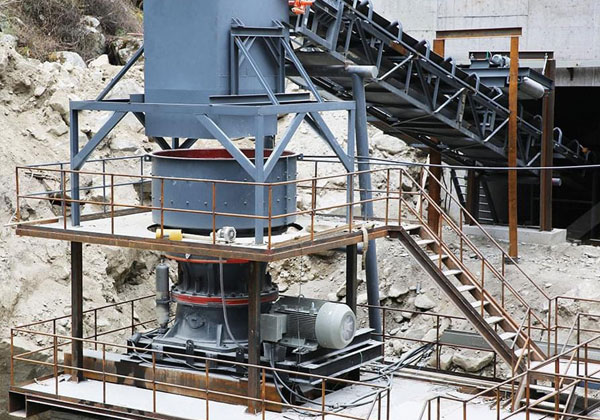
2. Gyratory Crusher
Gyratory crusher are often used in large-scale mining operations as an alternative to jaw crusher.
Advantages:
-
Very high capacity
-
Continuous crushing action
-
Lower operating cost per ton for large plants
Applications: large iron ore and copper ore beneficiation plants
3. Cone Crusher
Cone crusher are commonly used in secondary and tertiary crushing stages.
Advantages:
-
High crushing efficiency
-
Good particle shape
-
Suitable for medium to hard ores
Applications: copper ore, manganese ore, gold ore, basalt, granite
4. Impact Crusher
Impact crusher break material using impact force rather than compression.
Advantages:
-
High reduction ratio
-
Excellent cubic product shape
-
Effective for medium-hard and brittle materials
Applications: limestone, phosphate rock, bauxite, coal
Integration with Beneficiation Circuits
Modern beneficiation plants emphasize the integration of crushing equipment with screening and grinding systems:
-
Closed-circuit crushing improves size control and reduces unnecessary grinding
-
Pre-screening removes fines early, increasing crusher efficiency
-
Automation and monitoring systems optimize crusher load and reduce energy waste
Proper integration ensures stable operation and maximizes mineral recovery.
Crushing equipment is a cornerstone of the beneficiation process, directly influencing mineral liberation, energy consumption, and downstream recovery efficiency. By selecting appropriate crushers for each crushing stage and integrating them effectively into the beneficiation circuit, mining operations can achieve higher productivity, lower costs, and improved resource utilization. A well-designed crushing system is therefore essential for the success of any modern beneficiation plant.